

Inactive Tutor answered • 11/05/22
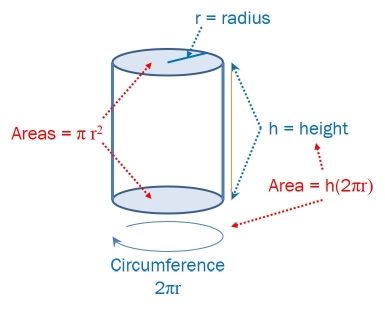
Starting with A = 2πr2+2πrh, plug in h = 6 to get:
A = 2πr2+12πr
This is now the area as a function of radius so:
A(r) = 2πr2+12πr
To convert this to radius as a function of area, we need to flip things around. First step, divide by 2π:
A/(2π) = r2 + 6r
Now, complete the square. To determine the value to add to both sides that will allow the right side to be written as a perfect square, divide the coefficient of "r" (which is "6") by 2 and then square the result. 6/2 = 3 and 3 squared is 9. So add 9 to both sides to get:
A/(2π) + 9 = r2 + 6r + 9
Now, write the right hand side as a square:
A/(2π) + 9 = (r + 3)2
Now take the square root of both sides:
√(A/(2π) + 9) = r + 3 Note: the "math" way to do this would be to add a "±" but that would NOT result in a function so we choose just the positive.
Now subtract 3 from both sides to get:
r(A) = √(A/(2π) + 9) - 3


