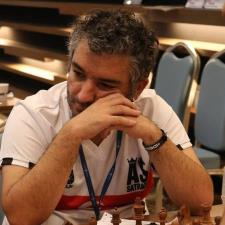
Finding your Weaknesses:
This is an underrated facet of improving that I think is necessary. Everyone learns differently and has different strengths and weaknesses in the game, but it can be especially hard to improve on their weakest points. To find your weaknesses:
-Figure out why you lose games. I'd highly recommend using the engine to analyze your games and find mistakes that you repeatedly make. Chess.com and Lichess both have good analysis report functions that can tell you where you keep going wrong.
-Get advice from a coach or tutor. This is, in my opinion, one of the main reasons to get tutoring. An experienced coach or tutor can identify your weaknesses easily and help you with training that works best for you. They're also important for understanding the engine evaluation of games or positions.
Practice:
While it's obvious that practice at chess will help you improve, it's important to do it right. Below are my picks for the best ways to use your time in practice.
Do Tactical Puzzles. Tactics are what decide the result of nearly every chess game below the highest level. They are combinations or forcing moves that win material or help deliver checkmate, and are the most important component of the game to focus on for improvement. Doing tactical puzzles is like training a muscle; once you've done enough reps and are familiar with tactical themes and ideas, spotting them during games will become second nature. Use resources like chess.com's puzzle rush or lichess' free puzzles to practice tactics.
Play Long Games. This is an area which I am guilty of ignoring from time to time. The urge the hop into a blitz game and play a quick match without needing to put in much thought or effort put in is tempting, and definitely has its place in making chess enjoyable. However if improvement is your goal, there is no better way than playing long time controls. By forcing yourself to think about the positions you get, you'll learn the game and start to deepen your understanding for it. Instead of making automatic moves, think about the merits and drawbacks of your moves and come up with ideas. This leads me into my next point:
Think Before Move. A very common area of blunder is missing your opponent's ideas. For example, let's say your opponent moves their knight into your territory. Your first instinct should not be to push your pawns and kick it out. With every move you should be asking what your opponent wants, and upon closer inspection you realize that knight was threatening to fork your king and rook. Now you can make a thoughtful move defending against the threat, after which you can kick out the knight as your please. Every move that you make should be with consideration and every move your opponent makes should be respected.