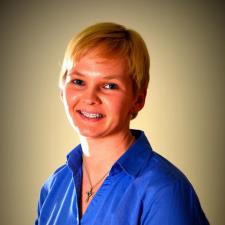
I didn't always love math. In fact, I spent most of high school convinced it was hard, abstract, and irrelevant to my life — until something clicked senior year and changed everything. That experience shapes how I teach: I know what it feels like to be on the other side of a concept that just won't land, and I know the moment it finally does.
I'm a faculty member at the university level with a graduate degree in Applied Mathematics from Rochester Institute of Technology. My approach isn't...
I didn't always love math. In fact, I spent most of high school convinced it was hard, abstract, and irrelevant to my life — until something clicked senior year and changed everything. That experience shapes how I teach: I know what it feels like to be on the other side of a concept that just won't land, and I know the moment it finally does.
I'm a faculty member at the university level with a graduate degree in Applied Mathematics from Rochester Institute of Technology. My approach isn't one-size-fits-all — I meet students where they are, whether that means slowing down to rebuild a shaky foundation, working through problems together conversationally, or pushing a student who's ready to go deeper. The goal is never just to get through the homework. It's to make sure you actually understand what you're doing, so you can keep going on your own.
That focus on real understanding gets real results. I've helped students go from failing to finishing a course with a B+, and worked with an SAT math student whose score improvement earned her a scholarship to study bioengineering at her dream school. Those outcomes don't come from shortcuts — they come from building genuine confidence in the material.
If you've ever thought math just "isn't for you," I'd challenge that. You might just need someone who can show it to you a different way.