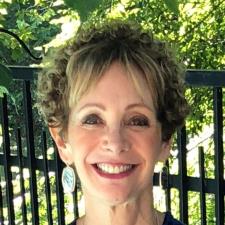
I've been a math tutor for more than 20 years, and have have a unique ability to make math easy to understand and learn. I have also had a career in systems engineering at telecom companies.
My philosophy in teaching math is:
- Learning math should be an active experience and should relate to the world. And always use “simpler numbers” if a problem’s numbers are complicated. (For example, paying $4 for 2 oranges makes it more obvious that you need to divide than paying $5.88 for 3...
I've been a math tutor for more than 20 years, and have have a unique ability to make math easy to understand and learn. I have also had a career in systems engineering at telecom companies.
My philosophy in teaching math is:
- Learning math should be an active experience and should relate to the world. And always use “simpler numbers” if a problem’s numbers are complicated. (For example, paying $4 for 2 oranges makes it more obvious that you need to divide than paying $5.88 for 3 oranges).
- Learning math requires an understanding of what to “memorize” (for example, the tools), and what to “understand”. We don’t need to reinvent the wheel; it’s already been invented.
- Learning more advanced math is no more than
building on what is already known: if you can add 2 + 2, and build with math tools, you can be taught to solve a complicated Calculus problem.
- Sometimes there’s just one little concept that isn’t known or understood that makes a whole new math concept difficult. We need to find that and learn it!
Math = Rules + Examples + Practice, Practice, Practice!!!