Hi! My name is Emma, and I am a medical student who genuinely enjoys teaching and helping students build confidence in science and clinical reasoning. I graduated magna cum laude from Boston College with a major in Neuroscience and a minor in Philosophy, where I developed a strong foundation in both biological systems and logical problem-solving. Over time, I came to appreciate that what makes learning stick isn’t just mastering content, but having someone explain how to approach complex...
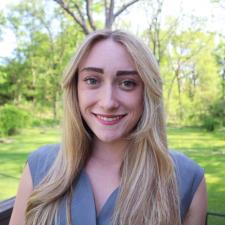
Hi! My name is Emma, and I am a medical student who genuinely enjoys teaching and helping students build confidence in science and clinical reasoning. I graduated magna cum laude from Boston College with a major in Neuroscience and a minor in Philosophy, where I developed a strong foundation in both biological systems and logical problem-solving. Over time, I came to appreciate that what makes learning stick isn’t just mastering content, but having someone explain how to approach complex material in a clear, structured, and encouraging way.
My tutoring experience began with elementary and high school students in science courses, where I learned how to break down challenging concepts into intuitive, approachable explanations. From there, I worked with first-year medical students as they navigated foundational preclinical concepts and organ systems, helping them connect basic science to clinical relevance. I have also provided personalized anatomy tutoring, guiding students through spatial reasoning, structure–function relationships, and effective study strategies for dense material. Across all levels, I focus on meeting students where they are and adjusting my approach to their individual learning style.
I now specialize in tutoring for USMLE Step 2 CK and clinically focused coursework. My approach emphasizes pattern recognition, management algorithms, and next-best-step reasoning — the same strategies that helped me perform strongly on my own exams. Rather than memorization, I focus on teaching students how to think through questions efficiently, recognize common traps, and apply knowledge with confidence. I aim to create a supportive, low-stress environment where students feel comfortable asking questions and making mistakes. My goal is always the same: to help students feel more confident, capable, and prepared — not just for an exam, but for clinical practice moving forward.