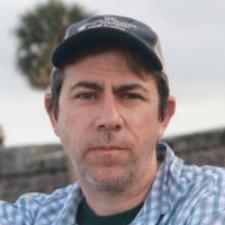
Hello! I love helping students learn how to study and develop skills that will help them not only in their current class, but throughout their life. I have been conducting research since 1990 and teaching college courses since 1995. I typically teach students in classrooms of approximately 25-50 students but also offer free drop-in tutoring to any one on campus who is struggling in any 'life science' course. I have been doing this for several years now and enjoy both interacting with...
Hello! I love helping students learn how to study and develop skills that will help them not only in their current class, but throughout their life. I have been conducting research since 1990 and teaching college courses since 1995. I typically teach students in classrooms of approximately 25-50 students but also offer free drop-in tutoring to any one on campus who is struggling in any 'life science' course. I have been doing this for several years now and enjoy both interacting with students one on one, and teaching topics I normally don't cover in my own courses. I have taught a variety of courses and labs including microbiology, general biology I and II, ichthyology, population genetics, ecology and evolution, 'world hunger', marine turtle conservation, and introductory marine science. I have also tutored privately on the side for several years now. I have also been actively conducting research and publishing scientific papers, including discovering a new species of shark.
My tutoring sessions vary in structure depending on the student and their needs. Often, I start by asking students to bring in their last graded test, if available, and their notes. We start with going over the test and thinking through each question. I try to both get a feel for where the student's knowledge base is, as well as helping them to evaluate why they missed points for each question. It can take a while, but it helps students to understand what their teacher may be looking for that they aren't providing. We might then go through notes. We talk about what topics they covered, we evaluate their note taking process, their note structure, and think through note taking approaches. We start to develop techniques that suit the student and the topic but are geared toward making deeper connections with a more robust understanding. Lastly, we discuss study techniques. I am particularly fond of Richard Feynman's idea of being able to explain a topic to someone else as a litmus test for understanding.