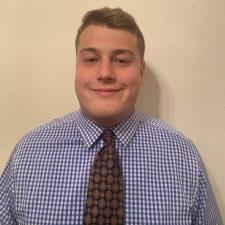
I'm finishing up a math degree at Penn State this August with a minor in statistics. I've taken coursework in calculus, regression analysis, probability, actuarial science, and financial mathematics, and I scored a perfect 800 on the math section of the SAT (1510 overall). I also use R and Excel regularly for data analysis and statistical work.
I've done a good amount of one-on-one teaching even though I haven't been a formal tutor for long. I volunteered with Learn To Be, a nonprofit that...
I'm finishing up a math degree at Penn State this August with a minor in statistics. I've taken coursework in calculus, regression analysis, probability, actuarial science, and financial mathematics, and I scored a perfect 800 on the math section of the SAT (1510 overall). I also use R and Excel regularly for data analysis and statistical work.
I've done a good amount of one-on-one teaching even though I haven't been a formal tutor for long. I volunteered with Learn To Be, a nonprofit that pairs tutors with underserved students for free online sessions. In my financial math class, I sat down with someone who had basically zero math background and walked them through compound interest, the time value of money, and how different savings plans actually play out over a lifetime. For a regression project, I made videos explaining how to build and read regression models in a way that someone outside of statistics could actually follow. I also did a mock client interview for actuarial math where I had to break down whole life, term life, and endowment policies in plain language. The common thread in all of it is that I'd rather figure out where someone is actually getting lost than just repeat the textbook explanation at them.
Outside of class, I've held leadership roles in a campus service organization for about three years — I ran the budget as treasurer and currently lead a group of around thirty members as a family head. I work well with high school and college-age students and I'm flexible on scheduling for online sessions.