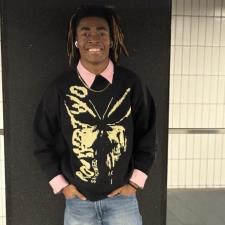
My educational background starts with graduating from a college preparatory school in the class of 2025. Currently, I am studying economics at Rutgers University. I have already taken courses in the history of economics and macroeconomics, passing both, and am currently taking microeconomics. I have taken numerous music classes as I attended Juilliard's Music Advancement Program for two years. While I have never tutored for an occupation, my mother is a math specialist and teaches multiple...
My educational background starts with graduating from a college preparatory school in the class of 2025. Currently, I am studying economics at Rutgers University. I have already taken courses in the history of economics and macroeconomics, passing both, and am currently taking microeconomics. I have taken numerous music classes as I attended Juilliard's Music Advancement Program for two years. While I have never tutored for an occupation, my mother is a math specialist and teaches multiple students throughout the week. During the pandemic, I often helped her with the technological side of setting up the sessions, and being surrounded by the tutoring has helped me learn certain ways of leading students to the answer without directly giving it to them. Additionally, I have been a camp counselor for years, both in an artistic and athletic setting, usually ranging from 8 to 13 years old. When teaching a sport, the primary method for teaching i used was show, don't tell; starting with that gives them a chance at figuring out what works best for them. In the arts, my teaching method often involves putting the question into terms they would understand. Now, having passed calculus, you realize certain things get relearned in a more difficult lens. For example, finding the derivative is the same as finding the slope at a certain point. While yes, it is more involved than that to solve a derivative, it is important that the student is able to understand what they are fundamentally trying to find.