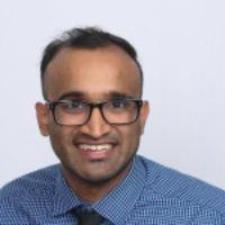
I remember staring at a UWorld percentage that didn't match how hard I'd been studying and feeling like something was fundamentally wrong with me. It wasn't. It was the approach.
I'm an MD graduate from Windsor University School of Medicine. I trained across seven specialties — Internal Medicine, Family Medicine, Pediatrics, Psychiatry, Anesthesiology, Surgery, and OB/GYN. I completed my degree in 2022 and am in the process of entering residency. My Step 2 CK practice assessments have...
I remember staring at a UWorld percentage that didn't match how hard I'd been studying and feeling like something was fundamentally wrong with me. It wasn't. It was the approach.
I'm an MD graduate from Windsor University School of Medicine. I trained across seven specialties — Internal Medicine, Family Medicine, Pediatrics, Psychiatry, Anesthesiology, Surgery, and OB/GYN. I completed my degree in 2022 and am in the process of entering residency. My Step 2 CK practice assessments have consistently placed me in the 250-260 range with several scores above 260. I know exactly what this process feels like from the inside — not from memory.
It's not about more content. It's about a different way of thinking under pressure. That's what I focus on with students; not re-teaching what you already know, but figuring out where your reasoning breaks down when the clock is running and the stakes feel real. Most of the time the fix is smaller than people think. A pattern in how you're reading questions. A habit of overthinking the obvious answer. A timing issue that's costing you 15-20 questions you actually knew.
Sessions are one on one over Wyzant. I keep things direct and we look at your practice data, find what's actually happening, and build a plan around it. No fluff, no generic content reviews you've already sat through three times.
If any of this sounds familiar let's talk. One session is usually enough to see exactly what's happening and start fixing it.