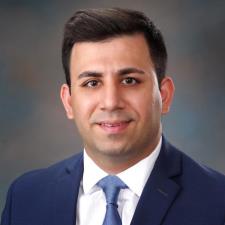
I am a physician by training, with an MD, an MBA in healthcare, and a neuroscience degree, and most of my working life has been spent explaining hard science to people who have to actually use it. My undergraduate work was in visual neuroscience and neuroanatomy, my medical training included rotations across Chicago-area teaching hospitals, and I later spent three years as a medical science liaison in neurology, translating trial data and pharmacology for practicing neurologists across five...
I am a physician by training, with an MD, an MBA in healthcare, and a neuroscience degree, and most of my working life has been spent explaining hard science to people who have to actually use it. My undergraduate work was in visual neuroscience and neuroanatomy, my medical training included rotations across Chicago-area teaching hospitals, and I later spent three years as a medical science liaison in neurology, translating trial data and pharmacology for practicing neurologists across five states. I am also a Certified Brain Injury Specialist. My work today is education and healthcare advisory rather than clinical practice, so teaching is not a side activity. It is the job.
My teaching has run from one-on-one sessions to hospital lecture halls. Through DoMD Healthcare, a medical tutoring practice I am a partner in, I work with medical, nursing, and allied health students, generally college age through late twenties, on anatomy, physiology, pharmacology, and board preparation. I have given invited grand rounds lectures on the workup of abdominal pain, febrile seizures, and resistant infections, and at AbbVie I ran a regional speaker program training practicing physicians to teach clinical material to their peers. I have three MEDLINE-indexed publications, so I can also teach a student to read a primary paper rather than fear it.
My approach in a session is diagnostic before it is instructional. I start by asking the student to walk me through how they are thinking about a problem, because a wrong answer almost always traces back to one broken assumption, and finding it is faster than re-teaching a chapter. From there I work from mechanism rather than memorization. If you understand why the loop of Henle concentrates urine, you never need a mnemonic for it. For MCAT and USMLE prep I lean on timed, question-first practice with immediate review of every wrong option, since those exams test reasoning under time pressure more than recall. I am direct, patient, and comfortable with a student who is behind.