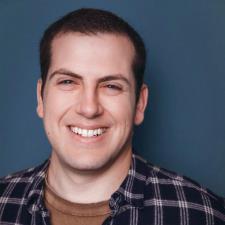
Hi, I'm Gregory R. I graduated cum laude with a bachelor of science from UCLA, majoring in Microbiology, Immunology, and Molecular Genetics. I then was accepted into the Human Genetics PhD program at UCLA where, in addition to conducting scientific research and taking classes, I gained experience teaching as a Teaching Assistant. I led discussion sections for an advanced genetics course for upperclassmen, including undergraduate and graduate students, where we analyzed and discussed seminal...
Hi, I'm Gregory R. I graduated cum laude with a bachelor of science from UCLA, majoring in Microbiology, Immunology, and Molecular Genetics. I then was accepted into the Human Genetics PhD program at UCLA where, in addition to conducting scientific research and taking classes, I gained experience teaching as a Teaching Assistant. I led discussion sections for an advanced genetics course for upperclassmen, including undergraduate and graduate students, where we analyzed and discussed seminal and cutting-edge scientific articles related to the lecture material. In addition, I lead exam review sessions, conducted office hours to help students with specific questions, and wrote and graded exam questions. I worked as a Teaching Assistant in the same course for two non-consecutive 10-week quarters.
After earning my PhD, I started as a postdoctoral scholar, conducting scientific research in the Department of Neurology at UCLA, which is my current professional position. As a postdoc, I have mentored several undergraduate student researchers, and those who have since graduated have gone on to be accepted into medical school and other graduate programs.
My experience as a Teaching Assistant, scientific research mentor to undergraduate students, and working scientist in general has honed my ability to communicate complex scientific concepts in ways that are understandable and digestible to almost any level of educational background. I aim to break down complicated topics into their simpler parts and help students put the pieces together intuitively to understand the complex whole. I'm open to lecture-style lessons as well as Socratic-style discussions or anything in-between. Scientific literacy and scientific thinking are very important to me, and I hope to help students improve these skills in the advancement of their educational goals.